Tropical Cyclone Maila has torn through the Solomon Islands and Papua New Guinea, leaving a trail of destruction across island communities in the western Pacific. The Category 5 storm reached maximum sustained winds of approximately 215 km/h and a minimum pressure of 924 hPa, making it the strongest cyclone ever recorded in the Solomon Sea by some estimates.
Timeline and Intensity
Cyclone Maila formed in early April 2026 over the warm waters of the Solomon Sea and rapidly intensified as it stalled between Papua New Guinea and the Solomon Islands. By April 8, the system had been upgraded to Category 5 status. Weather forecasters noted the cyclone's unusual behavior—stalling over exceptionally warm waters that fueled its explosive intensification. Most forecast models projected the storm would track across the tip of the Papuan Peninsula toward far north Queensland, Australia, though the timing and intensity upon landfall remained uncertain.
Widespread Destruction
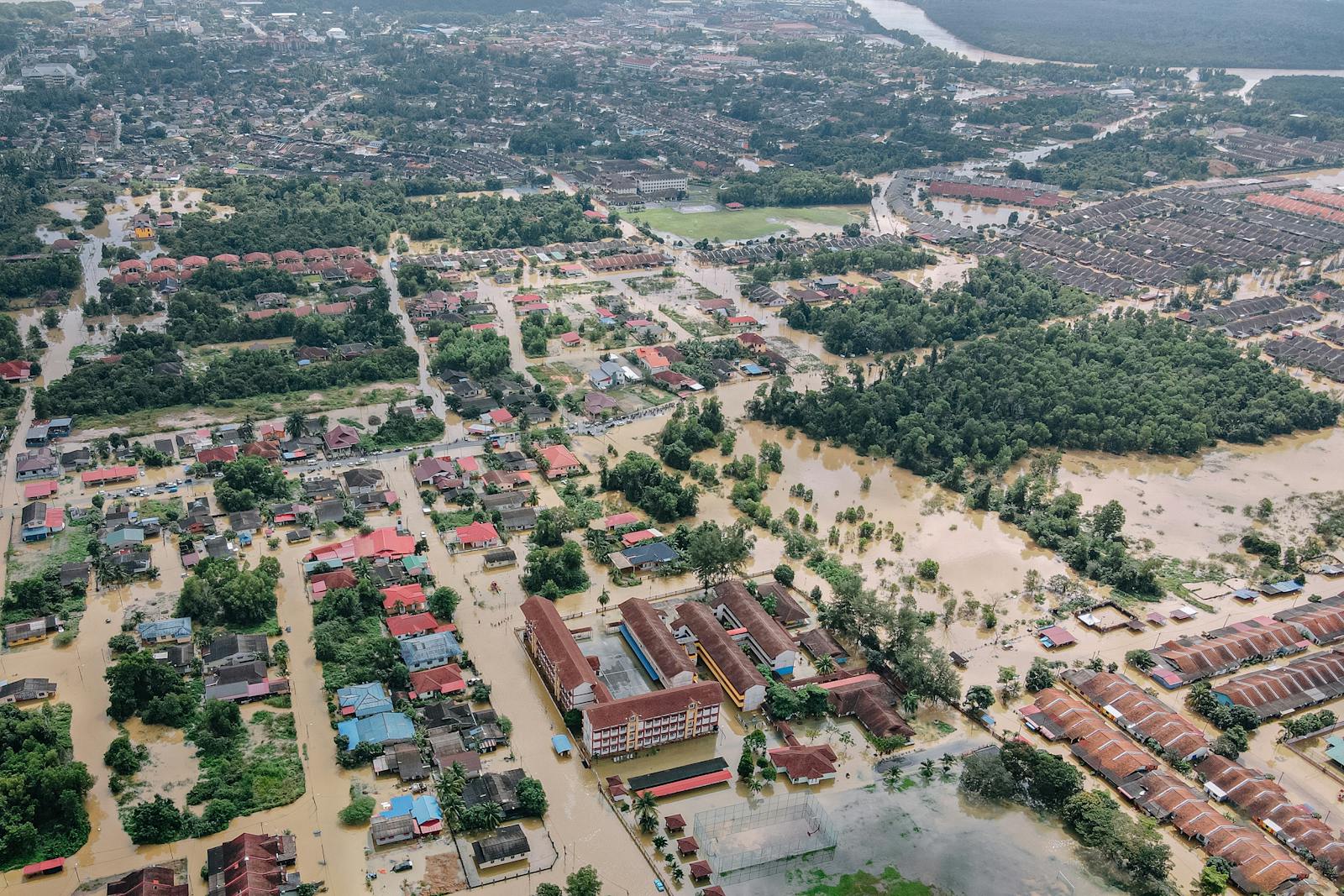
In the Solomon Islands, Western and Choiseul provinces bore the brunt of the storm. Coastal communities were inundated by powerful storm surges, with homes, boat sheds, schools, and clinics sustaining major damage. Strong winds devastated banana plantations and root-crop gardens, raising serious concerns about food shortages in the weeks ahead. The head of police in the western Solomon Islands described the impacts as the worst the province had seen since a devastating earthquake and tsunami in 2007.
In Papua New Guinea, Tokua Airport in East New Britain suspended all flights indefinitely after runways and taxiways flooded. Roads were washed out and bridges collapsed across the Niugini Islands region, cutting off remote communities. The governor of Milne Bay province described "unprecedented damage," particularly on the province's smaller islands, where massive waves left gardens submerged.
In Bougainville, two women were confirmed dead, and strong winds, heavy rainfall, and flooding caused widespread damage to homes, livelihoods, and essential services. Three members of one family remain missing after their boat capsized in heavy seas.
Emergency Response
The Solomon Islands Government declared a State of Disaster for Western and Choiseul provinces on April 10. Bougainville's National MPs announced a US$1.16 million emergency response package to support affected communities and repair damaged infrastructure.
International relief organizations are mobilizing to support the response:
American Red Cross is coordinating with the International Federation of Red Cross and Red Crescent Societies (IFRC) and local Red Cross societies in the Solomon Islands and Papua New Guinea to deliver emergency shelter, clean water, and medical supplies to affected communities.
CARE, which has long-standing operations across the Pacific, is assessing needs in the hardest-hit areas and preparing to distribute emergency supplies and support women and girls disproportionately affected by the disaster.
Save the Children is focused on child protection and ensuring displaced children have access to safe spaces, education continuity, and psychosocial support as communities begin the recovery process.
Direct Relief is preparing shipments of essential medicines and medical supplies to health facilities damaged or overwhelmed by the cyclone's aftermath.
How You Can Help
Communities across the Solomon Islands and Papua New Guinea face an urgent and growing humanitarian crisis in the wake of Cyclone Maila. Damaged infrastructure, destroyed food crops, and disrupted services threaten to compound the disaster in the coming weeks.
Visit the Cyclone Maila disaster page to find trusted organizations accepting donations and to learn more about how you can support relief and recovery efforts. You can also browse the Relief Directory to explore all organizations currently responding to disasters worldwide.