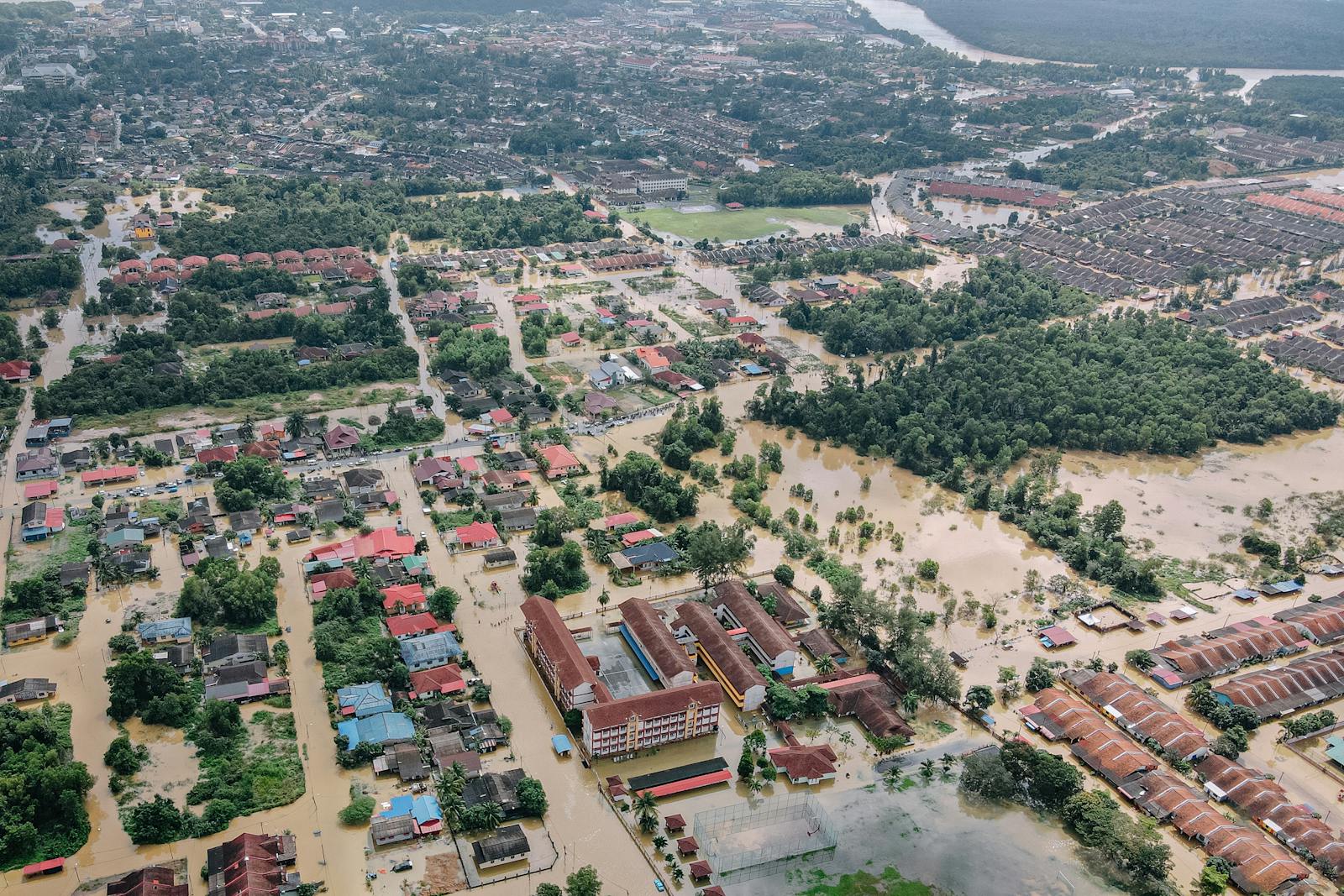
FEMA coordinates federal disaster relief across all 50 states and territories. Before 1979, that coordination barely existed.
A Fragmented System
Prior to FEMA, federal disaster response was spread across numerous agencies with overlapping mandates and poor coordination. Major disasters in the 1960s and 1970s exposed dangerous gaps. The National Governors' Association lobbied President Jimmy Carter to centralize emergency functions into one body.
On April 1, 1979, Carter signed the executive order creating the Federal Emergency Management Agency, consolidating the Federal Insurance Administration, the National Fire Prevention and Control Administration, the Federal Preparedness Agency, and the Federal Disaster Assistance Administration into a single organization.
A Single Point of Coordination
The consolidation meant that for the first time, one federal agency was responsible for the full cycle of emergency management: preparedness, response, recovery, and mitigation. FEMA also took over management of the National Flood Insurance Program.
Today, FEMA operates within the Department of Homeland Security with an annual budget that typically exceeds $30 billion. It manages disaster declarations, coordinates federal aid, and serves as the backbone of America's emergency response infrastructure. Carter's decision to unify federal disaster response remains one of the most consequential organizational reforms in government history.
Learn more on our FEMA page.