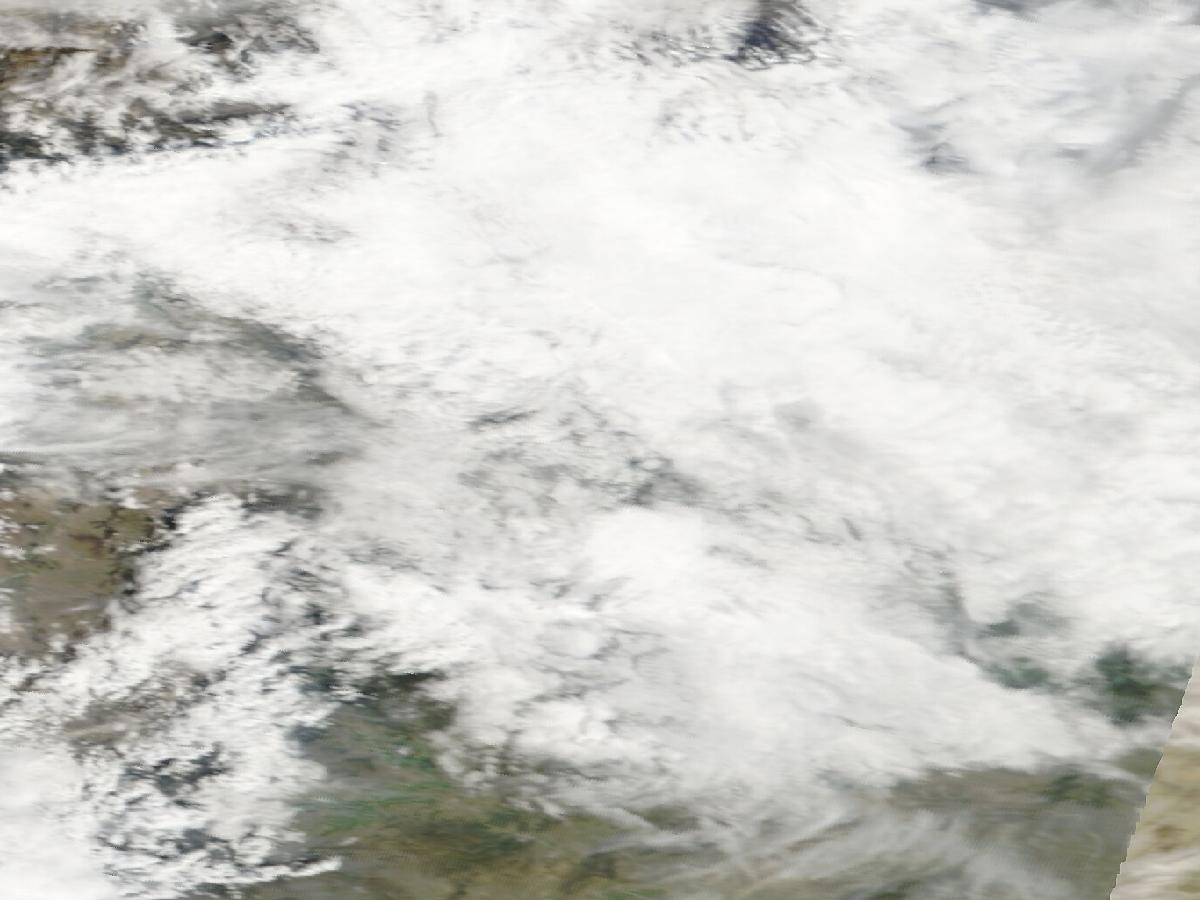
Devastating floods have swept across Kenya since early March 2026, killing at least 169 people, displacing more than 150,000, and affecting nearly half of the country's 47 counties. With the rainy season forecast to peak in April, humanitarian organizations are racing to scale up their response before conditions deteriorate further.
How the Crisis Unfolded
The disaster began on the night of March 6–7 when heavy rainfall caused the Nairobi River to burst its banks, sending floodwaters surging through roads and neighborhoods across the capital. In the days and weeks that followed, flooding spread rapidly to counties across central, eastern, and northern Kenya, including Marsabit, Tana River, Turkana, Kitui, Garissa, and Wajir.
By the end of March, at least 110 deaths had been confirmed across 30 counties, with nearly 7,000 households affected and over 34,000 people displaced from their homes. The situation has continued to worsen into April, with the government reporting 169 deaths and more than 150,000 people displaced as rivers have burst their banks and infrastructure has been swept away.
A Worsening Outlook
The Kenya Meteorological Department's April 2026 Climate Outlook warns that the peak of the rainy season is still ahead. The Integrated Food Security Phase Classification (IPC) projects that 3.7 million people could face acute food insecurity between April and June 2026, as flooding destroys crops, contaminates water supplies, and cuts off communities from markets and services. Health authorities have warned of increased risks of cholera and malaria due to stagnant floodwaters and overwhelmed sanitation systems.
Humanitarian Response
The American Red Cross is supporting the Kenya Red Cross Society's frontline response, which has included search and rescue operations, evacuations of stranded residents, and distribution of emergency relief supplies including blankets, hygiene kits, and shelter materials. The International Federation of Red Cross and Red Crescent Societies (IFRC) has launched a CHF 15 million emergency appeal to support the response across the most affected counties.
CARE and its partners are conducting rapid needs assessments to identify the most urgent humanitarian priorities, including shelter, water, sanitation and hygiene (WASH), and livelihood support. CARE has pre-positioned over two million water purification supplies to help reduce the risk of waterborne disease outbreaks.
How You Can Help
The Kenya Floods disaster page on the Relief Directory provides direct links to donate to organizations actively responding on the ground. With the worst of the rainy season still ahead, sustained support will be critical in the weeks and months to come.